

The Simple Trick to Improve Your Attic’s Temperature Right Now (Hint: It’s Your Ventilation)
If you’ve lived through a Tennessee summer, you know the drill. You set your thermostat to 72 degrees, but the upstairs bedrooms still feel like a sauna. You check your AC unit, and it’s huming away, working overtime, but it just can’t seem to keep up.
A lot of homeowners in the Tri-Cities think the answer is a bigger HVAC unit or more insulation. While those things help, there is one "simple trick" that many people overlook: and it’s sitting right over your head.
The secret to a cooler, more comfortable home isn’t just about keeping the cold air in; it’s about letting the hot air out. We’re talking about balanced attic ventilation.
As local roofers in Johnson City, TN, we see this every single day. We climb into attics that are pushing 140 or 150 degrees when it’s only 90 degrees outside. That heat doesn’t just sit there; it radiates down through your ceiling, making your living space miserable and your electric bill skyrocket.
In this guide, we’re going to show you how a few simple adjustments to your roof's ventilation system can transform your home's comfort levels.
Why Your Attic Is Acting Like an Oven
In Johnson City, we deal with a specific brand of humidity that makes the heat feel even heavier. When the sun beats down on your shingles all day, the air inside your attic traps that thermal energy. Without a way to escape, your attic becomes a pressurized chamber of heat.
Think of your attic like a chimney. For a chimney to work, you need air coming in at the bottom and smoke going out at the top. Your roof works the same way. If you have "exhaust" (vents at the top) but no "intake" (vents at the bottom), the hot air stays trapped.
When the air stays trapped, your shingles actually start to bake from the inside out. This leads to premature shingle failure, granule loss, and eventually, the need for roof repair in Johnson City, TN.
The "Simple Trick": Achieving a Balanced System
The "simple trick" we’re talking about is balancing your intake and exhaust.
In the roofing world, we follow a 50/50 rule. You want roughly 50% of your ventilation to be intake (usually located at your eaves or soffits) and 50% to be exhaust (located at the ridge or high on the roof deck).
If you have a massive ridge vent at the top but your soffit vents are blocked, that ridge vent isn't doing much. It’s like trying to breathe through a straw while someone is pinching the other end. To improve your attic temperature right now, you need to ensure that cool air can actually enter the space to push the hot air out.
Step 1: Check Your Soffit Vents (The DIY Fix)
This is the most common "simple" fix we find. Many homes in our area have soffit vents: those little perforated panels under your roof’s overhang. However, they are often useless for two main reasons:
- The Painter’s Mistake: Over the years, as homes get repainted, painters often spray right over the soffit vents. A few coats of thick exterior paint can completely clog those tiny holes, sealing your attic shut.
- The Insulation Block: Sometimes, well-meaning homeowners or insulation contractors blow extra fiberglass or cellulose into the attic but push it too far into the eaves. This blocks the air channel from the soffit to the attic.
Your Action Item: Walk around your house. Do your soffit vents look caked with paint? If so, they need to be cleaned or replaced. Then, if you're feeling brave, take a flashlight into the attic and make sure you can see daylight peeking through the eaves. If you see mounds of pink insulation instead of light, your "intake" is dead. Installing "baffles" (plastic channels that keep insulation away from the vents) is a quick way to restore airflow.
Choosing the Right Vent for Your Roof Pitch
Not all roofs are created equal, and not all vents work on every roof. This is where the expertise of professional roofing companies in Johnson City, TN comes into play.
For instance, we recently worked on a project with a very low slope: a 2/12 pitch. On a roof that flat, a standard ridge vent isn't always the best option because of how water and air move across the surface.
For lower pitches, we often recommend "750 vents" (box vents) or powered attic fans. The 750 vent is a classic for a reason; it sits higher off the roof deck and provides a clear exit path for heat without the risks associated with putting a ridge vent on a low-angle slope.
If your home has different sections with different pitches (like a steep main roof and a flatter porch or addition), you can’t use a "one size fits all" approach. Using the wrong vent can lead to leaks or, worse, a system that actually pulls rain into your attic during a heavy Tennessee downpour.
The Hidden Benefits of Proper Ventilation
- Lower Energy Bills: When your attic is 20-30 degrees cooler, your AC doesn't have to work nearly as hard. We’ve seen homeowners save 10-15% on their summer cooling costs just by fixing their intake vents.
- Preventing "Roof Rot": In the winter, proper ventilation prevents moisture buildup. Without airflow, the warm air from your house hits the cold roof deck, turns into condensation, and leads to mold and wood rot.
- Extending Shingle Life: Your shingles are designed to handle heat from the sun, but they aren't designed to be sandwiched between the sun and a 150-degree attic. Proper airflow keeps the roof deck cool, preventing your shingles from becoming brittle and cracking.
As a leading roofing company in Bristol, TN, we prioritize the "health" of the entire roofing system, not just the shingles. A roof without ventilation is like a car without a radiator: it’s going to overheat eventually.
Why You Should Call a Pro
While checking for painted-over vents is a great DIY start, calculating the exact "Net Free Area" (NFA) required for your specific square footage is a bit more technical.
Building codes generally require 1 square foot of ventilation for every 300 square feet of attic space (the 1/300 rule). However, if your roof pitch is unique or you have a complicated roofline with multiple valleys, that math changes.
If you add too many exhaust vents without enough intake, you can actually create a vacuum that pulls conditioned air out of your house and into the attic: which makes your AC bill go up! It’s all about that 50/50 balance.
At RoofWorksTN, we don't just look at your shingles; we look at the "breathing" of your home. Whether you are in Kingsport, Greeneville, or Jonesborough, we understand the local climate and how to make it work for your home rather than against it.
Let RoofWorksTN Cool Your Home Down
If you’re tired of the second floor feeling like a furnace, or if you’ve noticed your energy bills climbing every year, it’s time to look at your ventilation.
Don't wait until the middle of July when the heat is unbearable. A quick inspection now can save you thousands in energy costs and future new roof expenses.
We offer comprehensive ventilation audits as part of our inspection process. We’ll check your soffits, inspect your ridge vents, and make sure your attic is shedding heat the way it was designed to.
Contact RoofWorksTN today for a free ventilation inspection and let’s get your home back to a comfortable temperature!
Get A Free Quote
Our Services
-
Metal Roofing
Learn More About Metal Roofing -
New Roof
Learn More About New Roof -
Roof Inspection
Learn More About Roof Inspection -
Roof Repair
Learn More About Roof Repair -
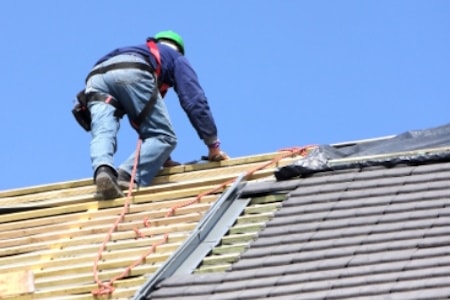
Roof Replacement
Learn More About Roof Replacement -
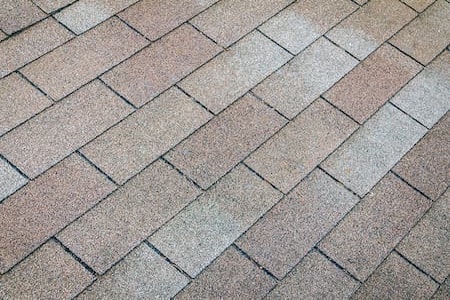
Shingle Roofing
Learn More About Shingle Roofing
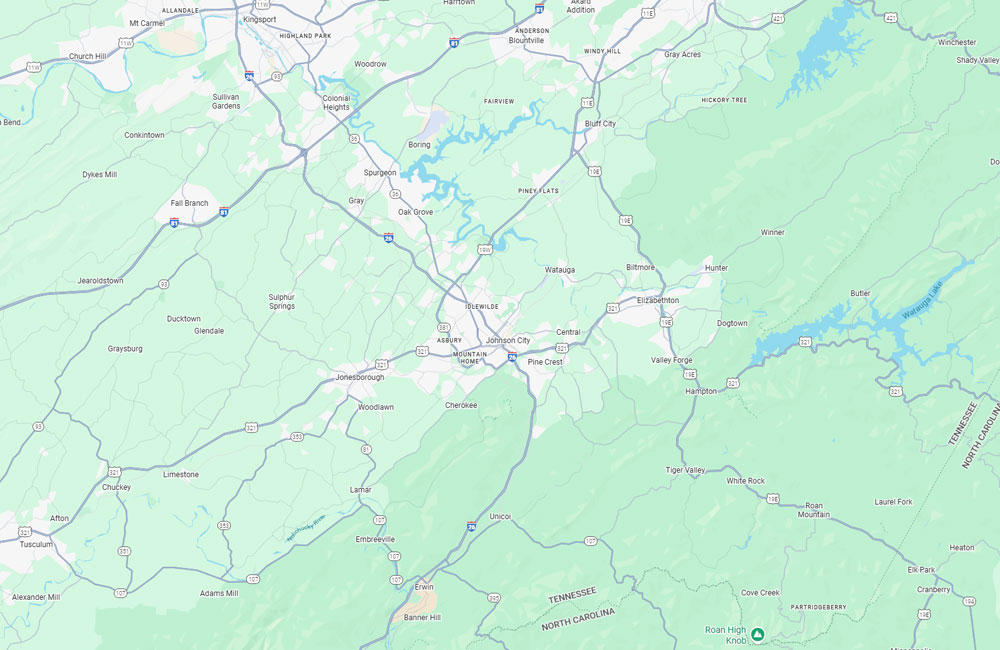
Roofing Services in Johnson City, TN and surrounding areas
RoofWorksTN proudly provides professional roofing services throughout Johnson City, TN, and nearby communities. Our reach extends to residential and commercial clients across the region, ensuring quality roofing wherever you are. If you don’t see your city listed below, give us a call. Our roofing company is happy to discuss your project and service area options.