
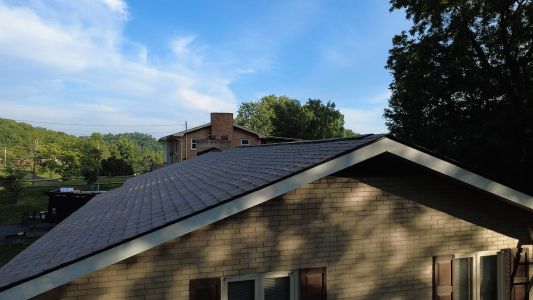
Tennessee Roof Inspection Checklist: Spotting Hidden Damage Before Storm Season
Storm season in East Tennessee brings a mix of humidity, fast temperature swings, and pop-up downpours that punish shingles, flashing, and fascia. This Tennessee roof inspection checklist explains what a professional looks for, why these items matter in our climate, and how smart timing helps you avoid surprise leaks. If you want a thorough, eyes-on evaluation from a local team, book a spot on our roof inspection calendar before the next line of storms rolls through.
Whether you live in Johnson City, Kingsport, Bristol, or the hills around Jonesborough and Gray, your roof sits at the front line. For a primer on the process, you can also learn more about a tennessee roof inspection to see how it supports the rest of your home.
Why Storm Season Raises Risk In East Tennessee
Our weather works your roof hard. Hot days followed by cool nights cause thermal cycling that loosens sealants and fasteners. Long, humid stretches keep roof edges and fascia damp. Sudden thunderstorms drive rain sideways into valleys and roof-to-wall joints. In a typical season, gusty wind along ridgelines can lift tabs, and the occasional hail pocket across the Tri-Cities can bruise shingle mats. Small stress points build up until water finally finds a path inside.
That is why a focused checklist matters. It targets the areas where moisture sneaks in, then confirms that ventilation can dry out what humidity leaves behind. The goal is simple: catch early changes before they snowball into repairs and interior damage.
What A Pro Checks During A Tennessee Roof Inspection
A trained inspector looks at the roof as a connected system. Each part supports the next, from the shingles that shed water to the vents that move out heat and humidity. Here are the priority checkpoints for homes across East Tennessee:
- Field shingles for cracks, lifted tabs, missing pieces, and heat blisters
- Granule loss concentrated in valleys, at downspouts, and under gutter ends
- Roof-to-wall flashing and step flashing for gaps, rust, and sealant failure
- Chimney and skylight flashing for loose counter flashing and dried sealants
- Ridge and hip caps for splits and nail pops
- Pipe boots and other penetrations for cracking around collars
- Gutters, downspouts, and drip edge for clogs, backflow, and detachment
- Fascia degradation where trapped moisture softens wood or stains paint
- Soffits and intake vents for blockages that choke airflow
- Attic ventilation efficiency, baffles, and moisture at decking and insulation
- Decking movement or soft spots that hint at hidden rot
Every note gets photo-documented so you can see what the inspector sees. Clear images and plain-language findings help you decide next steps with confidence.
Attic And Ventilation: The Hidden Engine Of Roof Health
Even a brand-new roof can struggle if the attic cannot breathe. In our humid summers, warm air lingers in the attic and keeps the underside of the decking damp. That sets the stage for premature shingle aging and mold risk. A professional will confirm that soffit vents are open, ridge vents are continuous, and baffles keep insulation from blocking airflow. Balanced intake and exhaust are key to drying out humidity after a storm and easing heat stress on shingles.
Inspectors also look for moisture prints around nails, dark staining on the decking, or compressed, damp insulation. These are subtle signals that point to ventilation problems long before you notice a stain indoors. Addressing ventilation issues early helps protect shingle life and supports manufacturer warranty terms tied to proper airflow.
The Edges And Transitions: Where Leaks Start
The most common leaks in East Tennessee start where surfaces meet. Roof-to-wall flashing along dormers and sidewalls takes direct wind-driven rain. Valleys collect water and channel it fast during cloudbursts. Chimney and skylight transitions rely on layered metal and sealants that can crack as temperatures swing. A seasoned inspector checks these areas closely, then tests sealant lines and step flashing for movement.
Do not ignore small rust lines, lifted edges, or cracked caulk at transitions. These are early warnings that water may already be slipping under the surface. Catching the problem at the joint protects framing, drywall, and finishes inside your home.
Gutters, Fascia, And Drainage Paths
Heavy summer rain can overwhelm undersized or clogged gutters. Backed-up water spills over the edge and runs behind the drip edge, soaking fascia boards and the deck edge. Over time, that leads to paint failure, soft wood, and even wave-shaped shingle edges. A professional inspection looks for sagging runs, pulled fasteners, and staining patterns that reveal where water is escaping the system.
Downspouts matter too. Splashback at the ends dumps granules in a pile and carves channels in mulch beds. Clues like these help your inspector trace how water is moving around the home so you can prioritize fixes that keep it away from siding and foundations.
Signs To Call A Professional Now
You do not need to climb a ladder to know it is time to bring in help. If you notice any of the following from the ground or indoors, schedule a professional evaluation before the next storm:
- Brown spots or fresh paint bubbles on ceilings after rain
- Musty odors in the attic or upper rooms
- Granules collecting in gutters or at downspout splash blocks
- Loose, slipped, or creased shingles after a windy night
- Daylight peeking through the attic around vents or pipes
- Gutters pulling away or water streaks behind the fascia
For a deeper dive on why timing matters, see our short read on the importance of regular roof inspections in tennessee. It explains how local weather patterns shape what pros look for first.
Safety first. Roof surfaces can be slick even when they look dry. In Tennessee’s humidity, wait for clear weather and let a trained inspector handle any hands-on checks at height.
What This Checklist Looks For In Valleys And High-Flow Areas
Valleys handle the most water during a downpour. Inspectors look for granule loss where streams converge, slipped shingles at the valley line, and exposed cut edges that can wick moisture. They will also confirm that the metal valley, if present, is seated and sealed, and that debris is not diverting water where it should not go. Catching early wear in valleys is one of the fastest ways to prevent a small, hidden drip from turning into drywall repairs.
Edges near lower roof tie-ins are another hotspot. When upper and lower sections meet a wall, step flashing must overlap correctly and stay tight. Any gap at a roof-to-wall transition is an open door for water. That is why transition checks are front and center in a professional report.
Fascia And Soffits: Telltale Markers Of Hidden Moisture
Fascia boards reveal how your roof has been handling water. Soft spots under gutter hangers, peeling paint, and dark streaks are common flags after a stormy summer. In shaded areas or around tree lines, the combination of dampness and limited airflow can keep these boards wet for days. Pros trace these marks back to the source so you can stop the wetting cycle before structural wood is affected.
Soffits tell a ventilation story. Blocked intakes choke airflow and trap heat and humidity in the attic. Your inspector confirms that the path from soffit to ridge is open, then notes anything that could compress insulation or cover baffles. Fixes here often have outsized impact on roof life because they address the moisture that you cannot see.
Self-Assessment Limits And When A Hands-On Inspection Is Needed
From the ground, you can notice stains, missing shingles, or sagging gutters. Beyond that, leave it to pros. Walking roofs is risky, and subtle problems at flashing, fasteners, or decking require a trained eye and safe equipment. A physical inspection documents what is sound, what needs maintenance, and what deserves prompt attention so you can plan work in the right order.
Skipping a professional inspection can jeopardize warranty coverage. Many manufacturer warranties expect proper ventilation and prompt repair of minor issues. A documented, hands-on visit helps show that your roof has been maintained, which supports long-term protection for the home.
Timing Your Inspection Around Tennessee Weather
Most East Tennessee homeowners prefer a spring or fall inspection. Spring checks catch winter freeze-thaw effects and prepare you for summer storms. Fall visits confirm that sealants and flashing are ready for long, wet spells and that gutters will handle leaf season. After any high-wind or hail event, a quick follow-up helps find creased shingles and fresh impact marks before water works through the system.
If it has been a year since your last visit, schedule ahead of the next severe weather window. Booking a roof inspection before storm season means you are more likely to get ideal timing and a detailed report before the calendar fills up.
What You Receive From A Professional Tennessee Roof Inspection
A quality inspection is more than a quick look. You should expect clear photos, simple explanations, and prioritized recommendations. The report will address components like shingles, valleys, roof-to-wall flashing integrity, gutters, fascia, soffits, and attic ventilation efficiency. It also notes early signs of deck movement or moisture so you can act before damage grows.
At RoofWorksTN, we take a system approach. Your roof, ventilation, and drainage must work together for real protection. Our team documents findings in plain language so you can make confident decisions for your home and preserve long-term structural integrity.
Your Next Step
If you want peace of mind before the next storm line arrives, schedule a visit with RoofWorksTN. Call us at 423-226-5556 to set a time that works for you. You can also learn what our process includes on our service page for a professional roof inspection. When we arrive, we bring a clear checklist, photo documentation, and a warranty-minded plan to keep your roof performing through East Tennessee’s toughest weather.
Get A Free Quote
Our Services
-
Metal Roofing
Learn More About Metal Roofing -
New Roof
Learn More About New Roof -

Roof Inspection
Learn More About Roof Inspection -
Roof Repair
Learn More About Roof Repair -
Roof Replacement
Learn More About Roof Replacement -
Shingle Roofing
Learn More About Shingle Roofing
Roofing Services in Johnson City, TN and surrounding areas
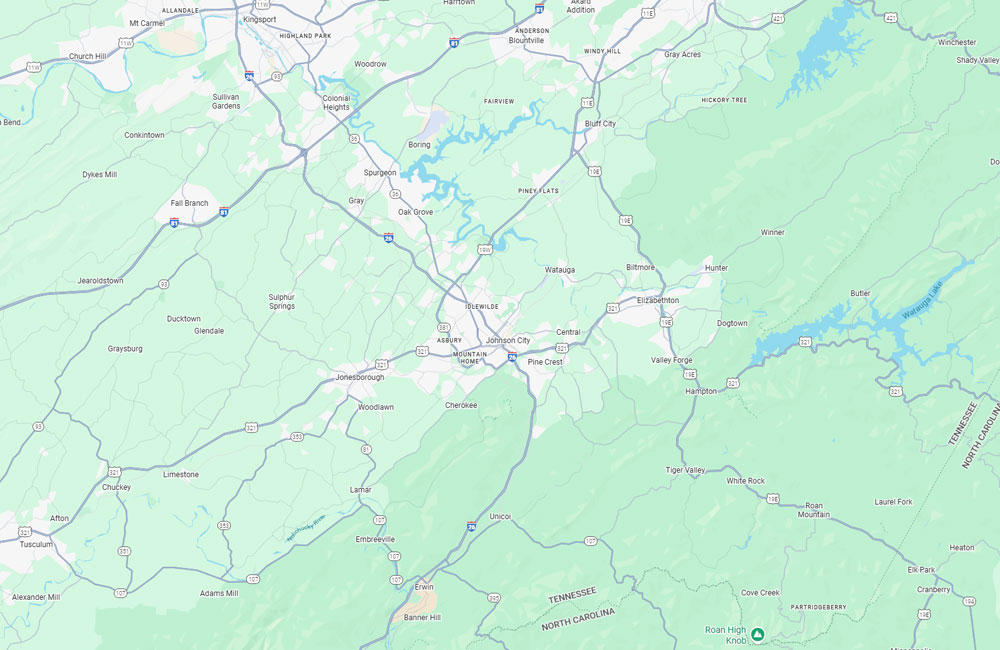
RoofWorksTN proudly provides professional roofing services throughout Johnson City, TN, and nearby communities. Our reach extends to residential and commercial clients across the region, ensuring quality roofing wherever you are. If you don’t see your city listed below, give us a call. Our roofing company is happy to discuss your project and service area options.