
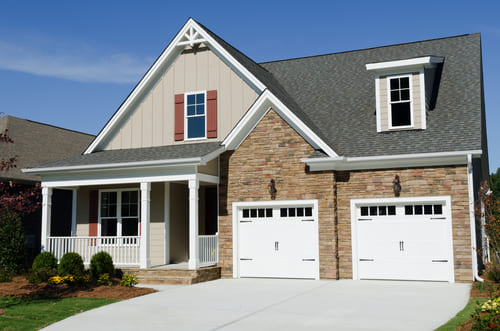
2/12 Pitch Problems: Why Ridge Vents Don't Work on Low-Slope Roofs (and the Pro Solution)
When you look up at your roof, you probably don't think about the math behind its slope. Most homeowners in East Tennessee just want a roof that doesn't leak and keeps the house comfortable. But in the world of professional roofing, that "math": specifically the pitch of your roof: dictates every single decision we make, from the type of underlayment we use to the way we ventilate your attic.
At RoofWorksTN, we see a lot of different styles of homes. From the steep gables in historic districts to the modern, low-slung ranch homes sprawling across the Tri-Cities, each one requires a custom approach. One of the most common mistakes we see from other roofing companies in Johnson City, TN, is a "one-size-fits-all" mentality, especially when it comes to ventilation.
Specifically, we're talking about the ridge vent. It's the industry standard for a reason: it's sleek, efficient, and hidden. But if your roof has a 2/12 pitch, a ridge vent isn't just a bad idea; it's an invitation for water damage.
Understanding Roof Pitch: What is a 2/12?
Before we dive into the "why," let's talk about the "what." In roofing, the pitch is measured by how many inches the roof rises vertically for every 12 inches it runs horizontally. A 2/12 pitch means that for every foot of horizontal distance, the roof only rises two inches.
This is considered a "low-slope" roof. It's not quite a flat roof (which is usually anything under 2/12), but it's a far cry from the steep 6/12 or 8/12 pitches you see on most traditional suburban homes. Because a 2/12 roof is so shallow, water doesn't rush off it with the same gravity-fed speed as it does on a steeper slope. This slower drainage changes the rules of the game entirely.
The Ridge Vent Myth: Why "Standard" Isn't Always "Better"
Ridge vents are fantastic for most homes. They sit at the very peak (the ridge) of the roof, allowing hot air to escape naturally as it rises through the attic. This is known as the "stack effect." When paired with proper intake vents at the eaves (soffit vents), it creates a continuous flow of air that keeps your attic cool and your shingle roofing healthy.
However, ridge vents have a technical limitation that many contractors ignore: they generally should not be used on any roof with a pitch lower than 3/12.
When you get down to a 2/12 pitch, the ridge vent becomes a liability. Here is why:
1. The Physics of Airflow (The Lack of "Stack")
The stack effect relies on vertical rise. On a 2/12 pitch, there isn't enough of a vertical height difference between the intake vents and the exhaust vent to create a strong natural draft. Hot air gets trapped because the "chimney effect" just isn't strong enough. This leads to moisture buildup, which can rot your decking from the inside out.
2. The Danger of Wind-Driven Rain
In East Tennessee, we get our fair share of stormy weather. On a steep roof, rain hits the shingles and rolls down instantly. On a 2/12 roof, the water moves much more slowly. More importantly, when the wind picks up, it can easily push rain horizontally across that shallow slope.
Because a ridge vent is essentially an opening in the top of your house protected by a small plastic or metal cap, wind-driven rain can be forced up and under that cap. On a 2/12 pitch, the water doesn't have a steep enough angle to stay out; instead, it finds its way into the attic, leading to "mystery leaks" that only happen during heavy storms.
The Recent Fix: Swapping Ridge Vents for 750 Vents
We recently encountered this exact scenario. A homeowner had a beautiful low-slope roof, but the previous contractor had installed a standard ridge vent. During every heavy rain, they dealt with small leaks along the peak of their home. They thought they needed a whole new roof repair in Johnson City, TN, but the shingles were actually in good shape. The problem was the ventilation choice.
Our solution? We removed the ridge vent, sealed the ridge properly, and installed 750 vents instead.
What are 750 Vents?
In the industry, we call them "750s" because they provide 50 square inches of net free venting area. You might know them as box vents or off-ridge vents.
These are stationary, hooded vents that sit slightly down from the ridge. Why are they the "Pro Solution" for a 2/12 pitch?
- Better Weather Protection: The design of a 750 vent includes internal baffles and a hooded shape that makes it significantly harder for wind-driven rain or snow to enter, even on a low-slope roof.
- Targeted Placement: Unlike a ridge vent that has to run the entire length of the peak, we can strategically place 750 vents where they will be most effective for the specific layout of your attic.
- Low-Slope Compatibility: These vents are specifically designed to handle the unique drainage patterns of roofs between 2/12 and 4/12 pitch.
Why Attention to Detail Matters
This might seem like a small technicality, but it's the difference between a roof that lasts 25 years and one that fails in 5. Many roofing companies in Johnson City, TN, focus on "blow-and-go" jobs: getting the shingles on as fast as possible and moving to the next site.
At RoofWorksTN, we're the roofing company that is different. We look at your home as an individual system. If you have a low-slope roof, we know that standard rules don't apply. We check the pitch, we calculate the required ventilation area, and we ensure the intake and exhaust are perfectly balanced.
The Consequences of Poor Ventilation
If you stick with a ridge vent on a 2/12 pitch, you're risking more than just a few leaks:
- Mold Growth: Trapped moisture in the attic is the perfect breeding ground for mold.
- Shingle Blistering: When the attic gets too hot, it literally "cooks" the shingles from underneath, voiding your warranty.
- Ice Damming: In the winter, poor ventilation leads to uneven roof temperatures, which can cause ice dams.
Trust the Local Experts in Johnson City
We live and work right here in the Tri-Cities. We know the local building codes and, more importantly, we know the local weather. Whether you are in Johnson City, Bristol, or Kingsport, your roof needs to be built to handle our specific climate.
When we took that ridge vent off the 2/12 roof and replaced it with 750 vents, we weren't just fixing a leak; we were giving the homeowner peace of mind.
If you aren't sure if your roof is vented correctly, or if you've noticed signs of moisture in your attic, it's time to call in the pros.
RoofWorksTN: Professional service, casual conversation, and expert results.
Get A Free Quote
Our Services
-
Metal Roofing
Learn More About Metal Roofing -
New Roof
Learn More About New Roof -
Roof Inspection
Learn More About Roof Inspection -
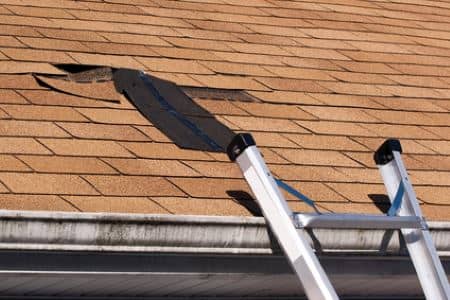
Roof Repair
Learn More About Roof Repair -
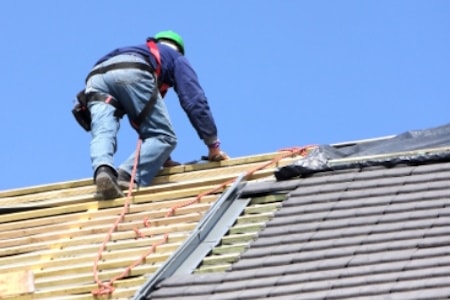
Roof Replacement
Learn More About Roof Replacement -
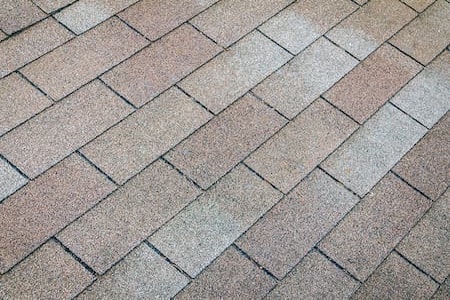
Shingle Roofing
Learn More About Shingle Roofing
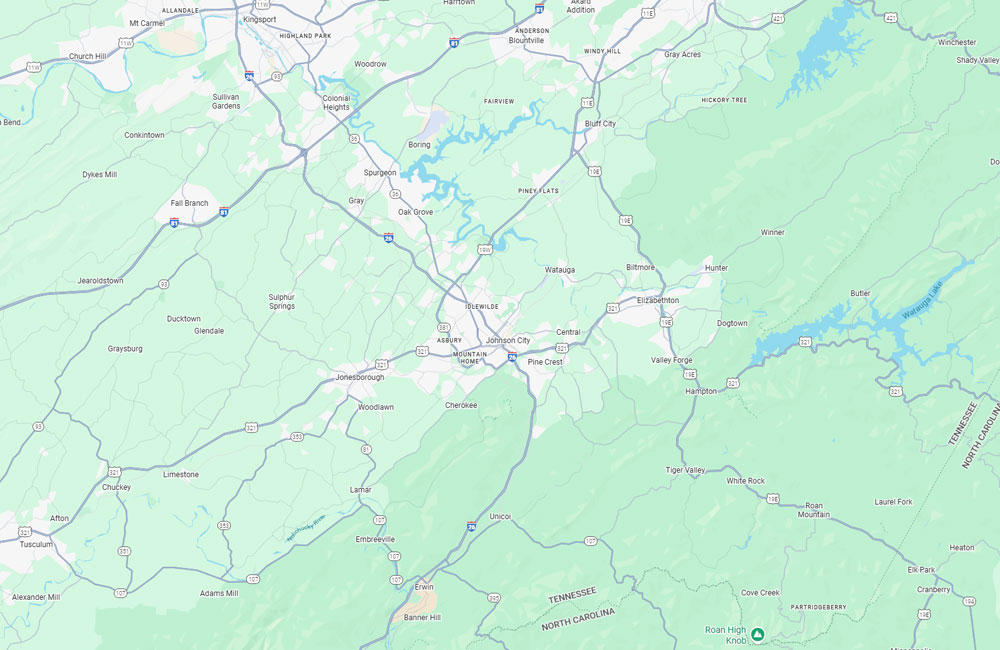
Roofing Services in Johnson City, TN and surrounding areas
RoofWorksTN proudly provides professional roofing services throughout Johnson City, TN, and nearby communities. Our reach extends to residential and commercial clients across the region, ensuring quality roofing wherever you are. If you don’t see your city listed below, give us a call. Our roofing company is happy to discuss your project and service area options.